


1. Health Hubs Provide Convenient On-site Services for Routine Employee Health Monitoring
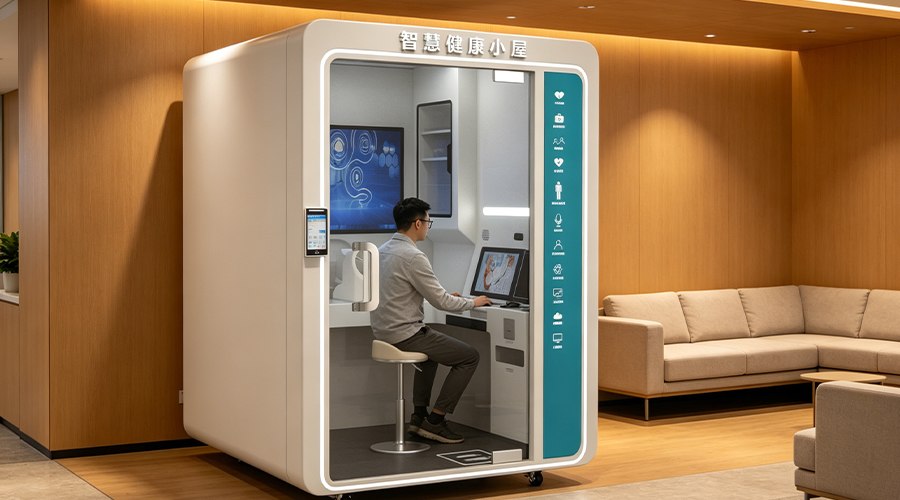
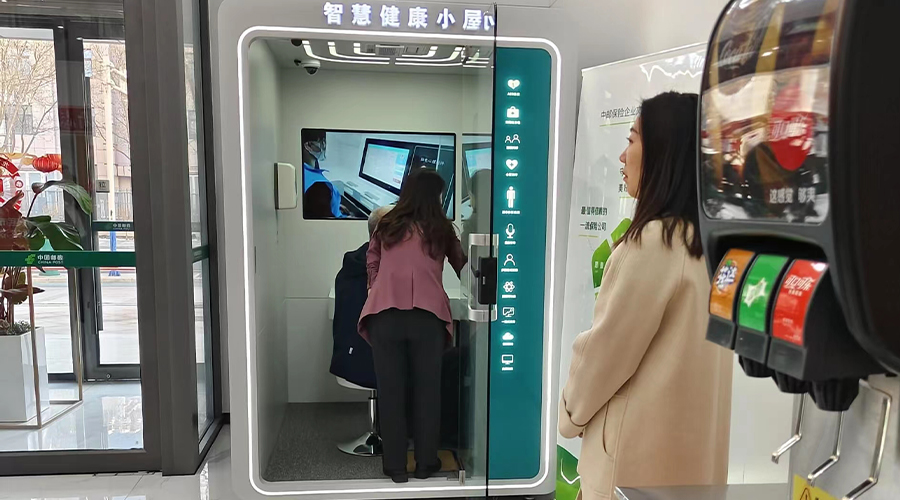
In the past, employees had to take time off and travel to hospitals to check basic health indicators or address physical discomfort, causing disruptions in production and low efficiency. Now, health hubs located within factories and office buildings eliminate distance barriers, allowing employees to independently complete comprehensive health screenings during lunch breaks or before/after shifts. Standardized health hubs are equipped with smart integrated devices that offer one-stop testing for multiple indicators such as blood pressure, blood glucose, and electrocardiograms, along with AED emergency equipment, physical therapy devices, and health education zones. For high-risk industries like mining, manufacturing, and transportation, health hubs include pre-shift screening to quickly identify potential hazards such as fatigue and hypertension, helping prevent workplace accidents and meeting occupational health regulatory requirements. By bringing health services directly into work sites, health hubs enable early detection of minor illnesses, regular monitoring of chronic conditions, and timely risk warnings.
2. Health Hubs Equipped with Digital Systems Enable Integrated Health Data Management
Digitalization forms the foundation of modern occupational health management, and health hubs serve as core terminals for health data collection. All employee test data collected at health hubs is uploaded in real time to the cloud, automatically generating personalized electronic health records that integrate physical examination results, chronic disease monitoring, and occupational hazard tracking—effectively resolving fragmented data issues. Enterprise managers can use the platform to monitor overall employee health status, identify high-risk groups such as those with hypertension, hyperglycemia, or cervical strain, and tailor customized health interventions. For frontline workers exposed to hazards, the system leverages long-term data from health hubs to track bodily changes, automatically remind employees of specialized occupational health check-ups, and maintain complete documentation for easy compliance with regulatory audits. By enabling seamless data flow across the entire process, health hubs transform enterprise health management from paper-based record-keeping to intelligent, digital oversight.
III. Multi-service of Health Huts, Building a "Prevention-Screening-Management-Treatment" Closed-Loop System
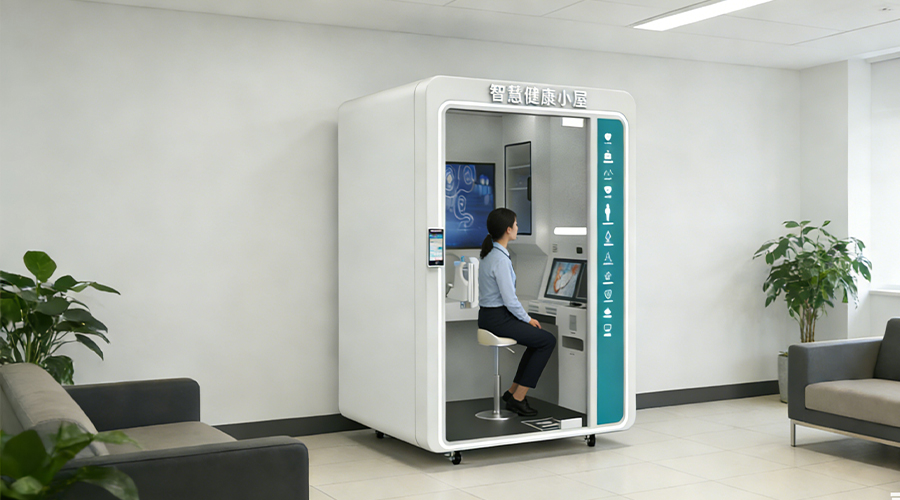
The modern occupational health platform is not just a testing space; all its comprehensive service functions are implemented through health huts:
1. Health Education: Regularly conduct occupational disease and chronic disease knowledge training in health huts to enhance employees' health awareness;
2. Layered Intervention: For those with abnormal indicators detected by health huts, dedicated personnel will follow up on diet and exercise plans, and continuously retest and control chronic diseases;
3. Green Referral: Health huts are linked with medical institutions, allowing employees with abnormal indicators or physical discomfort to quickly connect for consultation;
4. Physical and Mental Relaxation: Equipped with shoulder and neck therapy and psychological counseling, covering both physical and mental health. The combination of multiple services makes the health hut a comprehensive health service hub, achieving a one-stop closed-loop of prevention, screening, management, and referral.
IV. Two-way Empowerment of Health Huts, Achieving Win-Win Development for Employees and Enterprises
By implementing the occupational health platform centered on health huts, both employee welfare and enterprise operating efficiency are taken into account. For employees, the health hut is a readily accessible heartwarming benefit, allowing for continuous monitoring of their health and ensuring emergency medical support in case of emergencies, significantly enhancing their sense of belonging and happiness. For enterprises, regular screenings by the health hut reduce employees' incidence of serious diseases and long-term sick leaves, lowering labor loss; complete monitoring records meet regulatory requirements, avoiding penalties; and improving health benefits becomes a competitive advantage in attracting and retaining talents. In the long run, investing in health huts for health prevention can reduce hidden costs such as medical expenses, work-related injuries, and staff turnover, converting employees' health into enterprise productivity.
V. Customized Operation of Health Huts, Ensuring Long-Term Stable Operation of the Platform
To continuously leverage the value of the occupational health platform, it is not enough to merely build the hardware of health huts; a long-term operation mechanism must also be provided. Enterprises can be equipped with health administrators, responsible for equipment maintenance, data organization, and health education follow-ups; regularly invite medical staff to conduct free medical consultations at health huts; analyze the usage data of the huts monthly and dynamically optimize health activities. At the same time, health hut functions can be customized according to industry needs: for industrial and mining enterprises, strengthen pre-job screenings and occupational disease monitoring; for office buildings, focus on chronic diseases and psychological counseling; for logistics and transportation, improve emergency and fatigue detection modules. The operational model tailored to the needs of enterprises enables health huts to continuously release the value of occupational health services. Conclusion
The health of employees is the foundation of an enterprise's development. Standardized intelligent health cabins serve as an indispensable carrier for building a modern occupational health service platform. By using the health cabins to achieve on-site monitoring, digital archiving, closed-loop services, and mutual benefits in both directions, the enterprise's occupational health system can be comprehensively improved. In the future, enterprises should continuously enhance the construction and operation of health cabins, combining physical spaces with digital systems to create a comprehensive and full-process employee health protection system, safeguarding the physical and mental health of workers, and promoting the high-quality development of the enterprise with healthy productivity.