


According to a relevant survey, employee health check-ups in enterprises are often conducted at multiple institutions and multiple health check centers.
The data format of Institution A is different from that of Institution B. The HR department at Institution C simply cannot access the reports from the C health check center.
The data is scattered across multiple locations. How can you "manage" it?
Using PDFs? Manual entry? This is not management; it's just "manual labor".
In many enterprises, health management still remains at the stage of "need to report, get PDFs, and do manual entry". A single health examination report is several pages long. Manual entry is time-consuming and labor-intensive, and it is prone to errors. This is not management; it is pure "manual labor".
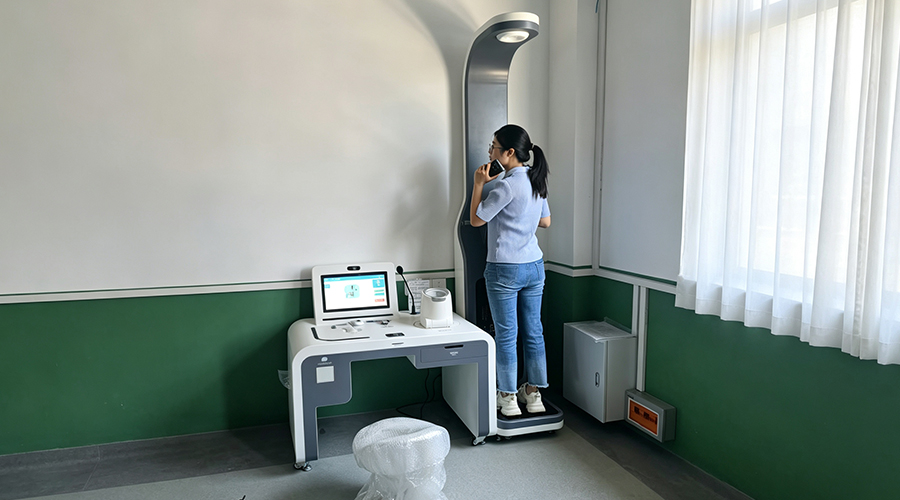
The data is not centralized, and management is just empty talk.
The first step of the health management platform is to "collect" the scattered data. Batch import of physical examination data, automatic upload of daily detection data through the health detection machine, and connection of historical data to the institution system - all the health data of an individual is centralized in "one file per person".
Four dimensions combined, longitudinal tracking
Physical examination data + daily detection data + traditional Chinese medicine assessment data + psychological state data - combined in four dimensions, for longitudinal tracking. The daily detection data collected by the health detection machine is fully integrated with physical examination, traditional Chinese medicine, and psychological assessment data, forming a complete personal health profile.
Only when the data is centralized can AI help you do more.
Without data centralization, management is just empty talk. Only when the data is centralized can AI assist you in providing risk alerts, trend analysis, and group profiling. Every piece of data collected by the health detection integrated machine becomes the basis for AI analysis. If the indicators remain consistently high, the system will automatically issue an alert; if the group's health trend changes, the platform will display it intuitively - all of these are based on the premise of "data centralization".
Is your enterprise health data "dispersed" or "centralized"? This determines whether you can "manage".
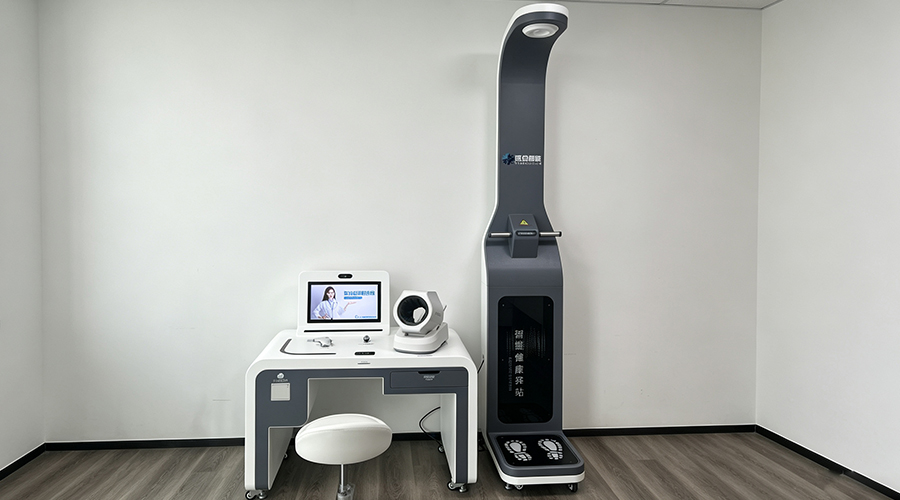
From dispersion to concentration, this is the crucial step from "not caring" to "being able to manage". The health detection integrated machine, as the front-end entry for data collection, automatically archives each test and gives every employee a complete health profile. When all the data converge in one place, you truly have the ability to manage.