


In recent years, as living standards have improved, people's demand for a healthy lifestyle has become increasingly urgent. At the same time, the government has significantly increased investment in public health services, aiming to achieve near-universal coverage of electronic health records and equitable access to basic public health services. In response to the need for medical resources to be distributed more widely and preventive care moved forward, a tiered diagnosis and treatment model is being promoted—ensuring that minor illnesses are managed at the community level, major conditions treated in hospitals, and rehabilitation returned to the community. Additionally, with aging populations creating growing challenges in elderly care, the goal is to achieve a 70% health management rate among individuals aged 65 and above. Against this backdrop, both national and social resources are actively advocating for and exploring new models of public health services and smart elderly care.
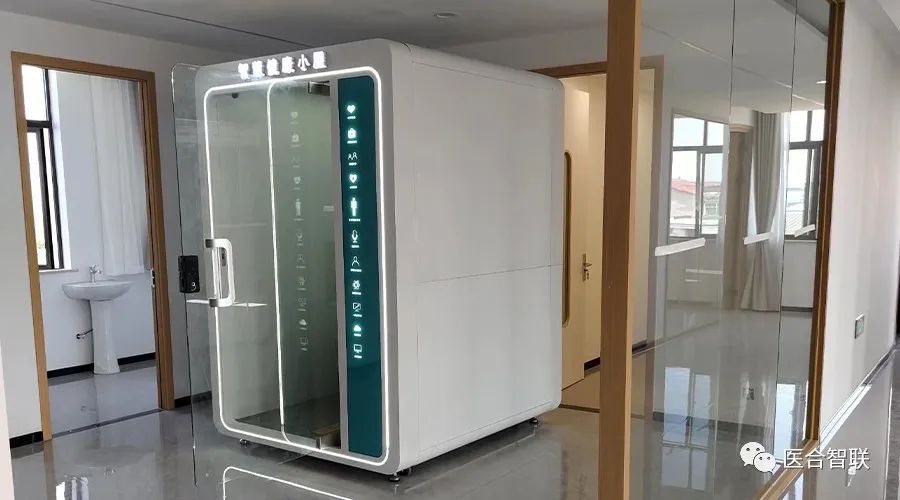
Ordinary people can enjoy greater convenience and benefits from "Internet + healthcare." Through "online medical services" and smart health stations, patients outside major cities like Beijing, Shanghai, and Guangzhou—especially those in central and western provinces, including rural areas—can access high-quality medical resources from these big cities without leaving home, seeing renowned doctors and specialists. This is what people refer to as "telemedicine." Hospitals can leverage the "Internet +" model to provide family doctor signing services, offering daily health management and care for registered patients. For long-term, stable chronic disease patients who need medication adjustments or drugs not available locally, their family doctors can issue online prescriptions, which are then delivered directly to their homes via third-party logistics.
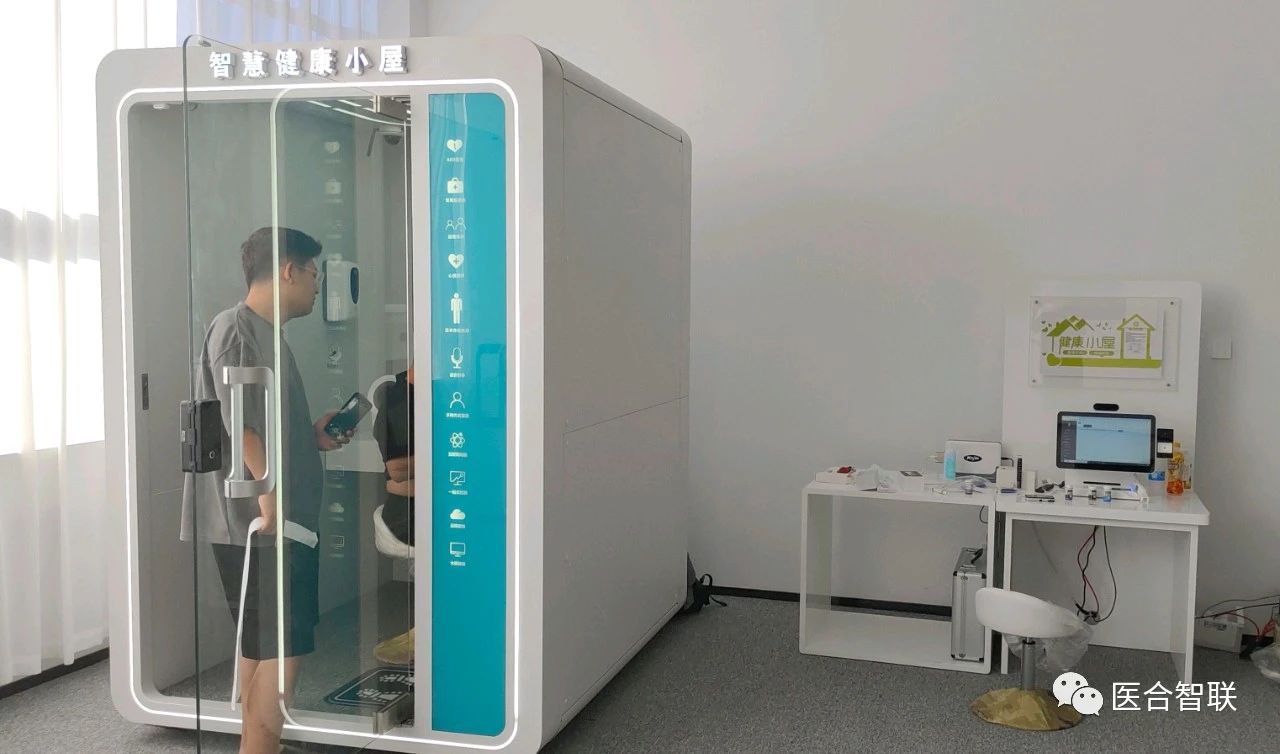
A smart health station is a self-service digital health management platform integrating resident health check-ups, disease intervention guidance, and health education. Equipped with devices for measuring height, weight, blood pressure, and more, the station also features a traditional Chinese medicine system for collecting tongue, facial, pulse, and acupoint data. This information collection system digitizes and visualizes data gathered through the traditional diagnostic methods of observation, listening, inquiry, and palpation, analyzing it into personalized constitution reports and automatically generating customized wellness plans covering diet, exercise, and other aspects.
■ Self-service Testing
The health station is equipped with various health monitoring devices, allowing residents to freely measure blood pressure, blood glucose, and even assess mental stress levels right at their doorstep. These data are transmitted via the internet to hospital information platforms, where they are stored long-term. Residents can also receive online health assessments and guidance from hospital doctors.
■ Health Assessment
Using various health assessment tools within the health station—including self-diagnosis/self-testing questionnaires for diseases, general health evaluations, lifestyle assessments, and disease risk assessments—residents can conduct comprehensive health evaluations.
Health Intervention
After users determine the risk factors through the risk assessment report of the health cabin, the report will analyze the high-risk risk factors. Then, the health management process will enter the intervention stage. First, we need to intervene in the high-risk users. Through intelligent grouping, we will divide the users into several groups such as those with current chronic diseases and those at high risk of chronic diseases. Next, the health cabin staff need to customize personalized intervention plans for the health cabin users based on the specific circumstances of the customers. These plans include chronic disease management plans, personalized exercise plans, lifestyle intervention, obesity/weight loss management, and personalized diet plans.
■ Report Printing
Users can print the test report and assessment report at the health cabin to check the results. These results can be used as a reference or as a voucher for hospital visits.
The smart health cabin makes "Internet + Healthcare" within reach!