


Traditional Chinese medicine diagnostic devices include inquiry instruments, tongue diagnosis devices, facial diagnosis devices, and pulse diagnosis devices. The pulse diagnosis device captures the patient's pulse wave information through sensors, then analyzes the patient's constitution and condition. The tongue diagnosis device uses image processing technology to analyze the tongue's appearance, assessing organ functions and the state of qi and blood. The facial diagnosis device evaluates the patient's health status by recognizing and analyzing facial features.
The inquiry instrument guides patients to describe their symptoms and sensations in detail using pre-set questions and algorithms, ensuring comprehensive and accurate data collection. Based on this information, the instrument performs preliminary data analysis, providing doctors with objective insights into the patient's condition and helping them develop more precise treatment plans. Additionally, the inquiry instrument can record patients' progress during treatment and recovery, offering data support for long-term health management.
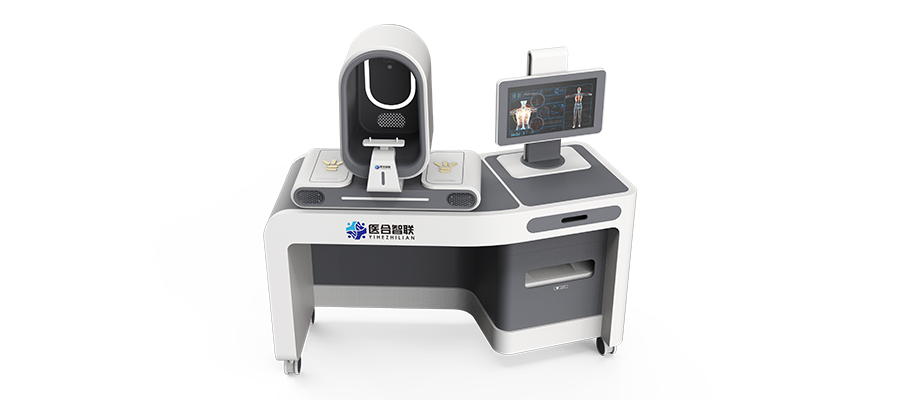
Improving diagnostic accuracy and efficiency: The traditional Chinese medicine (TCM) diagnostic device integrates modern technology with conventional TCM diagnostic methods, enabling automation and intelligent implementation of the four diagnostic approaches—inspection, listening and smelling, inquiry, and palpation. This not only allows for rapid and accurate acquisition of patients' physiological data but also minimizes human-induced errors, significantly enhancing both diagnostic accuracy and efficiency.
Personalized treatment plans: The TCM diagnostic device can develop individualized treatment plans based on a patient's constitution and condition. By comprehensively analyzing various indicators such as tongue appearance, pulse characteristics, and facial color, the device provides a more complete understanding of the patient’s physical state. This enables physicians to make more precise diagnoses and design treatment plans better tailored to each patient’s needs.
Reducing labor costs: The TCM diagnostic device can partially replace the work of TCM specialists, thereby reducing labor expenses for medical institutions. Moreover, due to its simple and user-friendly operation, it requires minimal professional knowledge or skills, lowering the difficulty of use for healthcare personnel and improving overall work efficiency.
Enhancing service quality and patient satisfaction: The device enables automated diagnosis and prescription generation, reducing patients’ waiting and queuing times, thus improving service quality and patient satisfaction. Additionally, by delivering more objective and comprehensive diagnostic results, the device helps patients better understand their health conditions and strengthens their confidence in treatment.