


The energy industry is the lifeline of the national economy and also a high-risk area for occupational health management. Dust, noise, high temperatures, toxic and harmful gases... The health of frontline employees directly affects production safety. The pre-job health detection machine has entered the energy group's factory and mining areas, injecting intelligent and dailyized new capabilities into occupational health management.
I. The Dual Challenges Faced by the Energy Group's Occupational Health
The energy group covers multiple high-risk sub-sectors such as oil, chemicals, electricity, and coal. The working environment is complex and there are numerous occupational hazard factors. On one hand, employees are exposed to harmful factors such as dust, noise, and chemicals for long periods, resulting in significantly higher risks of chronic diseases and occupational illnesses compared to ordinary industries. On the other hand, energy production has extremely high safety requirements. If employees are on duty while carrying diseases, it may lead to serious safety accidents. Traditional annual physical examinations are unable to meet the needs of frequent monitoring. The introduction of the pre-job health detection integrated machine enables the energy group to quickly grasp the health status of employees before, during, and after work, effectively reducing safety risks from the source.
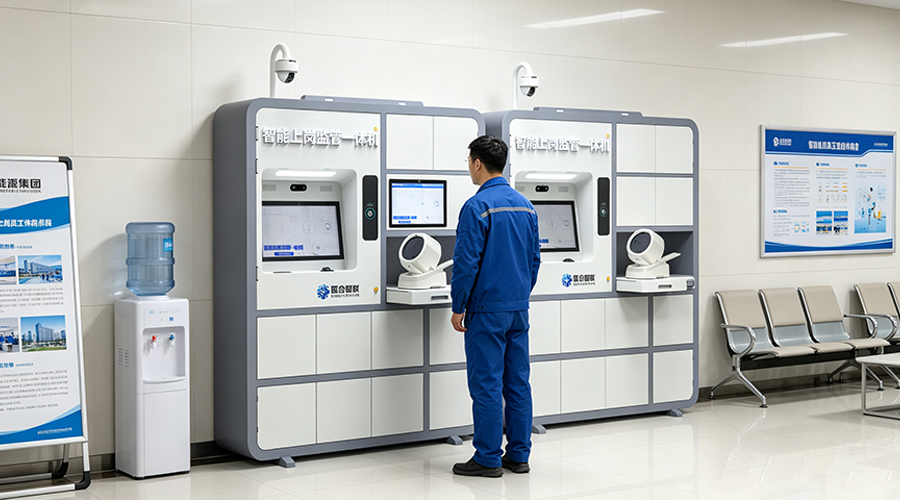
II. Pre-employment Health Detection Terminal: The Intelligent Sentinel for Occupational Health of the Energy Group
The pre-employment health detection terminal integrates multiple detection functions such as blood pressure, blood oxygen, electrocardiogram, body temperature, and pulmonary function. Employees can log in by swiping their ID card or through facial recognition. A comprehensive screening can be completed in just a few minutes. The detection data is automatically uploaded to the group's occupational health management platform, generating individual health profiles and group risk analysis reports. This helps the safety and environmental protection departments keep track of employees' health dynamics in real time and promptly issue warnings and interventions for personnel in high-risk positions.
III. Three Applications of the Pre-employment Health Detection Terminal in the Energy Group
• Pre-employment Health Screening: Deploy the pre-employment health detection terminal at key entrances such as wellheads, workshops, and control rooms. Employees can quickly test indicators such as blood pressure and heart rate before starting work. Those with abnormal results should be suspended from work to prevent working while ill.
• On-the-job Health Monitoring: For high-risk operations such as high temperatures, high altitudes, and confined spaces, use the pre-employment health detection terminal to conduct on-the-job health checks. This helps detect sudden risks such as fatigue, heatstroke, and cardiovascular abnormalities in a timely manner.
• Occupational Health Archives: The data collected by the pre-employment health detection terminal is connected to the group's HSE management system, establishing a full-cycle occupational health archive covering all employees. This provides data for occupational disease diagnosis, work injury recognition, and safety audits.
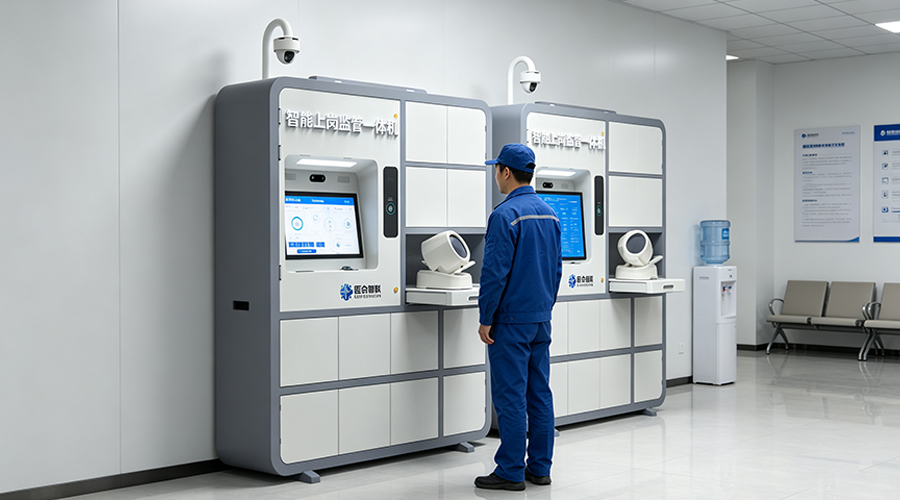
IV. Proposal for Introducing Pre-employment Health Screening Equipment to the Energy Group
When deploying the pre-employment health testing units in the energy group, it is necessary to select the testing modules based on the hazard characteristics of each sub-industry. For chemical enterprises, the focus should be on lung function and toxic and harmful indicators; for coal mining enterprises, the emphasis should be on cardiopulmonary function; for power enterprises, the focus should be on cardiovascular and heat adaptation assessment. It is recommended to conduct pilot tests in high-risk workshops or key mines first, and incorporate the pre-employment health testing units' tests into the daily safety briefing process. After accumulating data, gradually expand it to the entire group. The health unit is not only a health device but also an important part of the energy safety production management system, ensuring the health of every shift.
Conclusion
Safe production, health first. The occupational health management of the energy group is crucial as it directly affects the life safety of tens of thousands of employees and the stability of national energy supply. The health integration machine, with its advantages of speed, intelligence and dataization, is becoming the standard equipment for the energy group to safeguard the health of its employees. When the pre-job health detection integration machine enters every factory and every mine, it provides an additional guarantee for employees to start work safely, and thus the high-quality development of the energy group has a more solid foundation of health.